Building a Profession Where People Can Do Meaningful Work—and Build Meaningful Lives
Every morning, veterinary professionals across the country unlock clinic doors, pull on coveralls, enter laboratories and classrooms, drive down gravel roads, and begin another day of caring for animals and the people who depend on them.
They perform difficult surgeries, protect the food supply, respond to disease outbreaks, comfort grieving families, mentor students, support rural communities, and make decisions that carry real consequences. Much of this work happens quietly. It is performed by ordinary people showing up in extraordinary ways.
But too many of those people are tired.
They are carrying heavy workloads, educational debt, staffing shortages, emotional strain, and expectations that grow faster than the hours in the day. Some are beginning to wonder whether the profession they worked so hard to enter can still support the life they hoped to build.
That is why the first pillar of my campaign for AVMA President-Elect is strengthening the veterinary workforce.
This is not simply about filling open positions. It is about building sustainable careers, healthier teams, and a profession where people can find purpose in their work without sacrificing their health, their families, or their future.
What I See in Practice
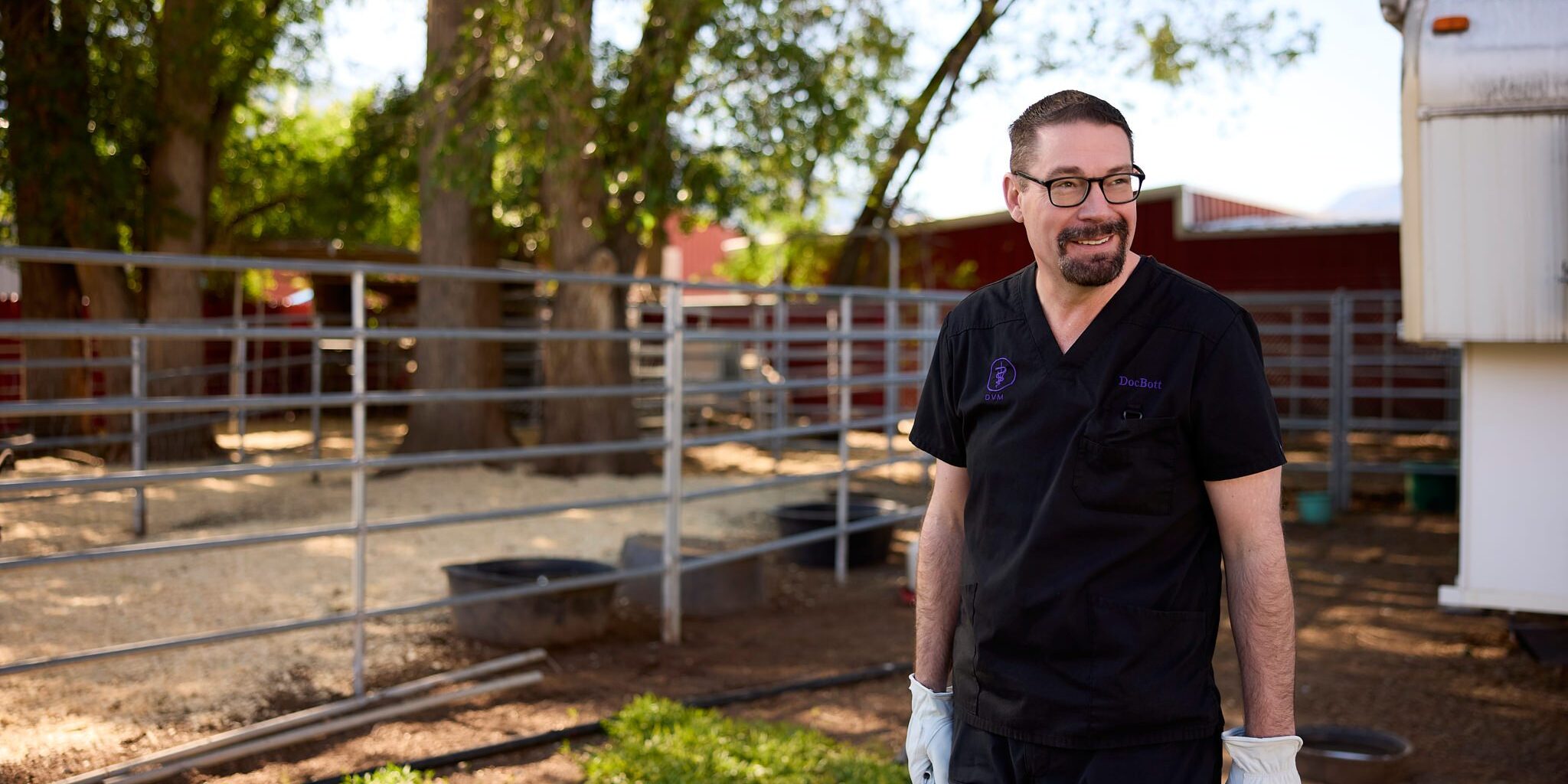
I have spent my career as a mixed-animal veterinarian and practice owner. I know the physical demands of lifting a large dog, working cattle through a chute, crawling beneath an animal, or answering an emergency call after an already long day. I also know the emotional weight of caring deeply, making difficult decisions, and recognizing that even our best efforts cannot guarantee the outcome we want.
Veterinary medicine asks much of its people.
And the challenges do not begin or end at the clinic door. Young veterinarians often enter the profession carrying significant debt while trying to afford a home, begin a family, and build a life outside of work. Rural communities struggle to recruit and retain veterinarians. Practice owners face rising costs, workforce shortages, and pressure to provide more care with fewer resources. Educators, researchers, government veterinarians, and those in public health face their own versions of these pressures.
We sometimes talk about workforce shortages as though veterinarians were simply numbers on a map. But every point on that map represents a person. A person with hopes, responsibilities, talents, and a life beyond veterinary medicine.
If we want to strengthen the workforce, we must strengthen the people within it.
A Career Must Be Sustainable
Veterinary medicine should be meaningful. It must also be livable.
People need fair compensation, manageable workloads, supportive workplaces, and opportunities to grow. They need time to recover from difficult days and permission to have identities beyond their professional titles. They need to know that commitment to veterinary medicine does not require giving every remaining piece of themselves to it.
There is danger in defining ourselves exclusively by our profession. We are veterinarians, technicians, assistants, researchers, educators, and public servants—but we are also parents, spouses, friends, neighbors, musicians, gardeners, coaches, and members of our communities.
After a stressful day at the hospital, I often sit down at the piano. Playing does not make me less devoted to veterinary medicine. It helps me return to it steadier, calmer, and more fully myself.
A strong profession should allow people to build meaningful lives through their work—not merely survive because of it.
Supporting Veterinarians at Every Stage
Strengthening the workforce requires attention to the entire arc of a veterinary career.
Students must be supported as they move through veterinary school. Academic rigor is essential, but suffering should never be treated as proof of dedication. We should help students preserve their sense of identity, discover their purpose, and develop the practical and emotional tools they will need in practice.
New graduates need mentorship that is intentional, accessible, and sustained. A diploma and a license do not mean someone should be expected to carry every burden alone. Early-career veterinarians need room to ask questions, make thoughtful decisions, and develop confidence without being made to feel inadequate.
Midcareer veterinarians need pathways to renew their sense of purpose, adjust how they practice, and continue growing. Experienced veterinarians should be valued not only for the appointments they complete but also for the wisdom they share. And as colleagues approach retirement, we must create better opportunities for mentorship, leadership transition, and practice succession.
No two veterinary careers are alike. Our workforce strategies must reflect that reality.
Protecting Opportunity and Access
A sustainable workforce depends on preserving opportunity.
Veterinary students should be able to see a realistic path toward financial stability, homeownership, practice ownership, and family life. Rural veterinarians should have the infrastructure and support needed to remain in the communities that rely on them. Practice owners should have access to resources that help them build healthy businesses and healthy teams.
We must continue advocating for solutions to educational debt, expanding effective rural service programs, supporting practice ownership, and examining regulations and economic pressures that make it harder to provide care.
At the same time, we must protect the integrity of veterinary medicine. Workforce challenges should not become an excuse to lower standards or create shortcuts that fragment patient care. The better path is to invest in veterinarians, empower veterinary technicians, use every member of the veterinary care team more effectively, and create workplaces where talented people want to remain.
Listening Must Come Before Leading
The AVMA cannot strengthen the workforce from a conference room alone.
We must spend time in practices, universities, shelters, laboratories, rural communities, and public agencies. We must listen to those who are doing the work and understand the pressures they face. Solutions that look good on paper may not work in a busy clinic, on a farm call, or in a community already struggling to maintain access to care.
Leadership begins by showing up.
I want veterinarians to feel that the AVMA understands their daily realities and is working alongside them. I want our colleagues to see organized veterinary medicine not as something distant, but as a trusted partner in building a better future.
The Work Ahead
I remain deeply optimistic about veterinary medicine.
Our challenges are real, but so are our strengths. This profession is filled with capable, compassionate, inventive people. I see them every day—staying late to help one more patient, encouraging a discouraged colleague, teaching a student, improving a protocol, or finding a better way to serve a community.
They are the workforce we must strengthen.
The future of veterinary medicine will not be secured by asking good people to endure more. It will be secured by building a profession worthy of their commitment—a profession where people feel supported, heard, connected, and able to build meaningful lives through their work.
It is not enough to be good. We must be good with purpose.
By listening carefully, investing wisely, and leading together, we can create sustainable veterinary careers and healthier teams. We can preserve the sense of purpose that first called so many of us to this work.
Recent Posts
About Isaac Bott
Dr. Isaac Bott is a practicing veterinarian, practice owner, researcher, and veterinary leader whose career spans clinical medicine, theriogenology, business ownership, organized veterinary medicine, and national service. As a candidate for AVMA President-Elect, he brings a practical, service-minded perspective shaped by years of hands-on practice, scientific research, and leadership within the profession.